
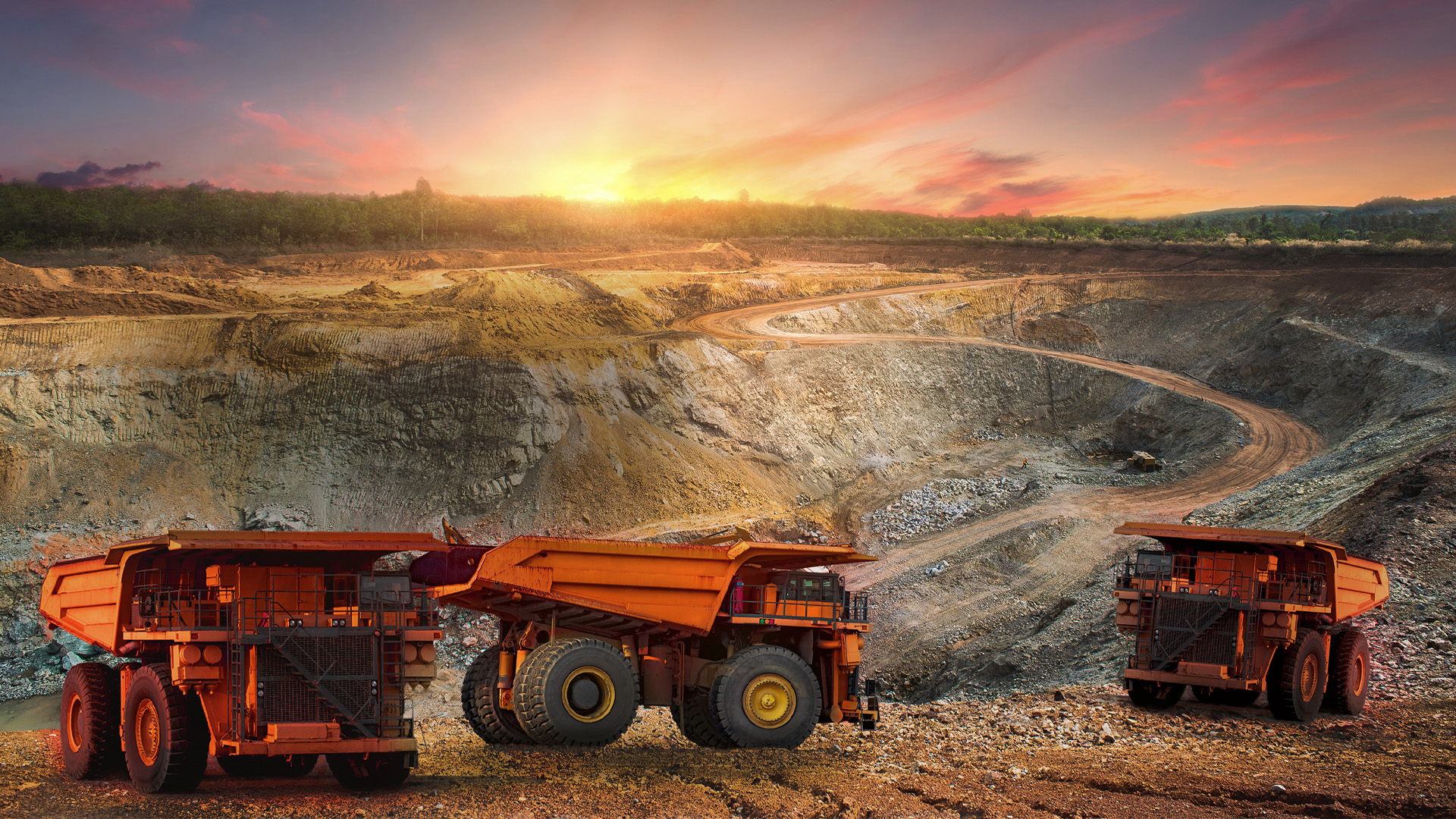
Mining is more than just the extraction of minerals from the earth; it is the backbone of modern society. From the towering skyscrapers in metropolitan cities to the smartphones in our hands, mining touches almost every aspect of our daily lives. As an industry, it has evolved to become more technologically advanced and sustainable while navigating significant environmental and social challenges. This article explores the multifaceted world of mining, its role in shaping civilization, and the innovations driving its future.
The Origins of Mining
Mining is as old as human civilization itself. Early humans began mining around 40,000 years ago, extracting flint and obsidian to make tools. The discovery of metals like gold and copper marked the beginning of metallurgy and set the stage for societal evolution. Ancient civilizations such as the Egyptians, Greeks, and Romans refined mining techniques, using them to fuel their economies and expand their empires.
The Industrial Revolution of the 18th century transformed mining into a large-scale operation. Coal mining, in particular, became vital for powering steam engines and industrial machinery. Today, mining operates on an unprecedented scale, supplying materials for construction, energy, and technology.
Key Mining Operations
Mining encompasses a variety of processes tailored to the type of material being extracted and its location.
1. Exploration
The first step in mining is exploration, where geologists use advanced techniques like satellite imaging, geophysical surveys, and drilling to locate mineral deposits. Exploration is crucial for identifying economically viable sites.
2. Extraction
Extraction methods depend on the deposit’s depth and geology. Common methods include:
- Surface Mining: Suitable for shallow deposits, involving techniques like open-pit and strip mining.
- Underground Mining: Used for deep deposits, involving tunneling and sophisticated machinery.
- Placer Mining: Extracts valuable minerals from riverbeds or sediment deposits.
- Solution Mining: Dissolves minerals using chemicals and pumps them to the surface.
3. Processing
Once extracted, raw ore undergoes processing to separate valuable minerals from waste. This involves crushing, grinding, and chemical treatments like flotation or smelting.
4. Rehabilitation
After mining is complete, rehabilitation ensures the land is restored to its original state or repurposed for other uses. This step reflects the industry’s growing focus on sustainability.
The Role of Mining in Modern Life
1. Building Infrastructure
Mining provides materials like iron ore, limestone, and aggregates essential for constructing buildings, roads, and bridges. Steel, a product of mined iron and coal, remains a cornerstone of global infrastructure.
2. Powering Energy Systems
Coal, uranium, and natural gas, extracted through mining, have historically powered the world’s energy systems. As we transition to renewables, mining is essential for extracting critical materials like lithium, cobalt, and rare earth elements used in batteries and solar panels.
3. Advancing Technology
Modern technology is heavily reliant on mining. Smartphones, computers, and electric vehicles require materials like gold, silver, and nickel. Even cutting-edge technologies like quantum computing depend on mined resources.
4. Driving Economic Growth
In resource-rich countries, mining contributes significantly to GDP, provides employment, and attracts foreign investment. For many developing nations, it serves as a pathway to economic growth and industrialization.
Challenges Facing the Mining Industry
Despite its importance, mining faces significant challenges in the 21st century.
1. Environmental Concerns
Mining activities can lead to deforestation, habitat destruction, soil erosion, and water contamination. Tailings, or mining waste, pose long-term environmental hazards if not properly managed.
2. Resource Depletion
As high-grade ore deposits are exhausted, companies are forced to mine lower-grade ores, increasing costs and environmental impact.
3. Community Relations
Mining often affects local communities, leading to conflicts over land use, displacement, and environmental degradation. Companies are under increasing pressure to engage meaningfully with stakeholders.
4. Regulatory Compliance
Governments worldwide are tightening environmental and labor regulations, increasing operational costs but ensuring safer and more sustainable practices.
Innovations Shaping the Future of Mining
1. Automation and Robotics
The adoption of autonomous vehicles, drones, and robotic drills is revolutionizing mining. These technologies reduce costs, improve safety, and enhance precision.
2. Artificial Intelligence and Big Data
AI and big data analytics optimize exploration, production, and maintenance. Predictive analytics helps prevent equipment failures and enhances decision-making.
3. Renewable Energy Integration
Mining operations are increasingly powered by renewable energy sources like solar and wind. This reduces carbon footprints and operational costs.
4. Green Mining Technologies
Innovations like water recycling systems, biodegradable chemicals, and carbon capture technologies are enabling more sustainable mining practices.
5. Deep-Sea and Space Mining
With terrestrial resources depleting, companies are exploring unconventional mining methods. Deep-sea mining targets valuable minerals on the ocean floor, while space mining envisions extracting metals from asteroids.
Sustainability in Mining
The industry’s future lies in balancing economic viability with environmental and social responsibility.
1. Circular Economy
Recycling metals reduces the need for new mining, extending the life of resources already extracted.
2. Community Engagement
Meaningful dialogue with local communities ensures equitable resource sharing and minimizes conflicts.
3. Rehabilitation and Biodiversity
Rehabilitating mined land and fostering biodiversity offsets environmental damage and contributes to long-term sustainability.
4. Transparency and Traceability
Blockchain technology enables companies to track the origin of minerals, ensuring ethical sourcing and compliance with regulations.
Case Study: Mining’s Role in the Energy Transition
As the world shifts toward renewable energy, mining plays a critical role in supplying materials for the green energy revolution. Lithium-ion batteries, critical for electric vehicles and energy storage, depend on lithium, cobalt, and nickel. Mining companies are racing to meet the soaring demand for these materials, driving exploration in new regions.
For example, Chile and Australia lead global lithium production, while the Democratic Republic of Congo supplies a significant portion of the world’s cobalt. Balancing the environmental and social challenges of mining with the benefits of renewable energy is a pressing issue for the industry.
The Future of Mining
Mining is poised for a transformative era, shaped by innovation, sustainability, and changing global demands. The rise of renewable energy, advancements in AI and automation, and exploration beyond Earth are redefining the sector.
As mining becomes more sustainable and efficient, its role in powering economies and industries will only grow. By addressing its challenges and embracing innovation, the mining industry can ensure a future where its benefits are shared equitably and responsibly.
Mining, though often taken for granted, remains a cornerstone of human progress. It’s a sector that connects the past, present, and future, reminding us of our dependence on the Earth’s treasures while urging us to use them wisely.