
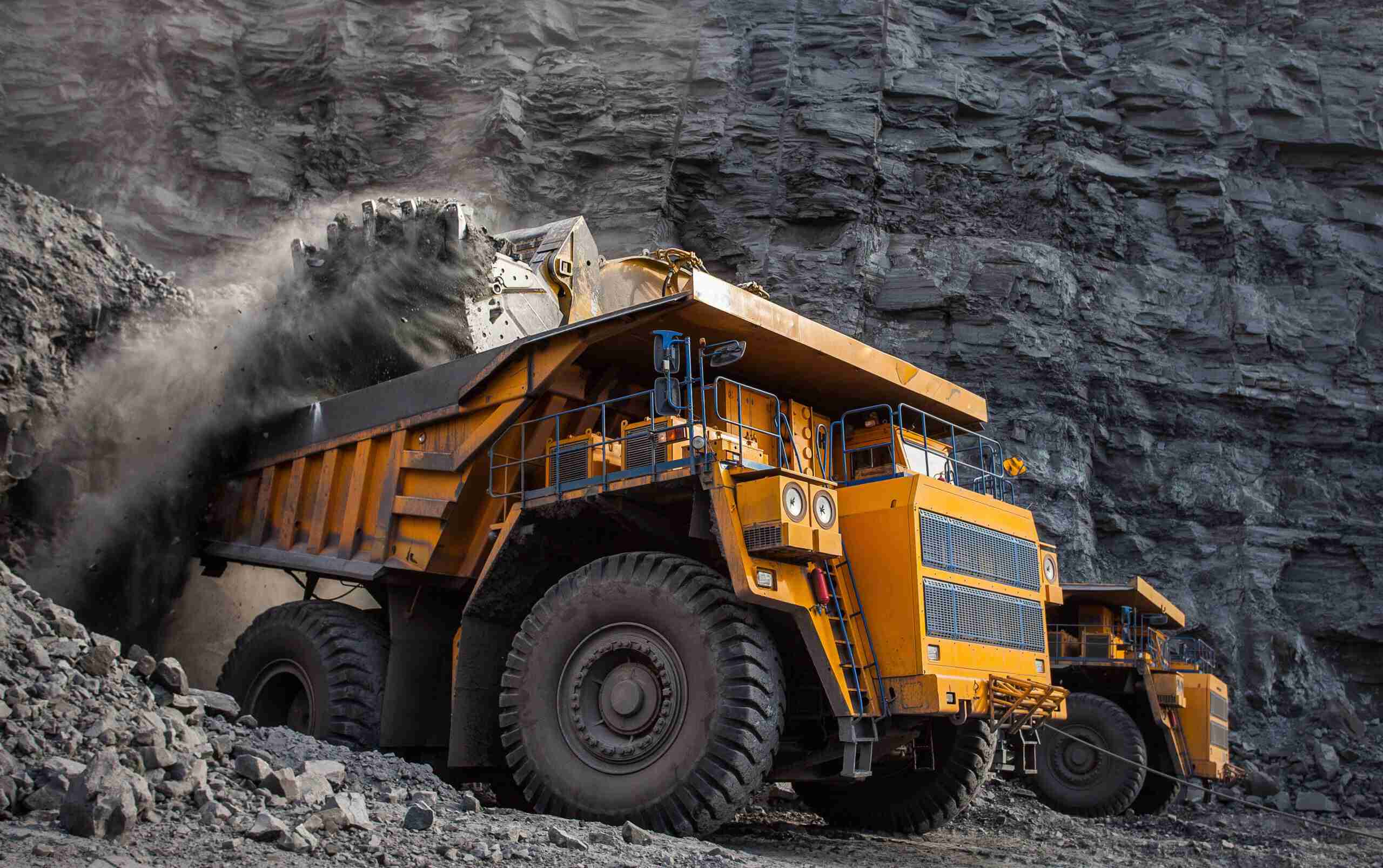
Mining is an ancient practice, a cornerstone of civilization that has fueled human progress for thousands of years. From extracting gold and copper in ancient Egypt to sourcing rare earth elements for today’s cutting-edge technologies, mining has evolved significantly in scope and scale. As we look at its role in shaping economies, industries, and societies, mining remains a fascinating and complex sector. This article delves into the processes, innovations, and challenges that define modern mining.
Understanding Mining
At its most basic, mining involves the extraction of valuable minerals, metals, or other geological materials from the Earth. These resources are vital for various industries, including construction, manufacturing, energy production, and technology. While the methods and tools have evolved, the core purpose remains the same: to provide the raw materials needed to sustain and advance human activity.
The Importance of Mining in the Modern World
1. Industrial Backbone
Mining provides essential raw materials like iron ore, copper, and coal that fuel industries worldwide. From the steel that builds skyscrapers to the lithium powering electric vehicles, mining is integral to modern infrastructure and innovation.
2. Economic Contribution
In many countries, mining is a significant economic driver. It generates employment, attracts foreign investment, and provides governments with revenue through taxes and royalties. Resource-rich nations often see mining as a pathway to economic development.
3. Technological Advancements
High-tech industries rely heavily on mined resources. Smartphones, medical devices, and renewable energy technologies depend on rare earth elements, cobalt, and other minerals.
4. Energy Transition
The global shift toward renewable energy has placed mining at the forefront. Materials like lithium, nickel, and graphite are essential for solar panels, wind turbines, and electric vehicle batteries.
Methods of Mining
Mining methods are as diverse as the resources being extracted. The choice of method depends on the location, type, and quantity of the material.
1. Surface Mining
Surface mining involves removing layers of soil and rock to access minerals near the surface. Examples include:
- Open-Pit Mining: Large pits are dug to extract ores like copper and iron.
- Strip Mining: Layers of soil are stripped away to access coal or tar sands.
- Mountaintop Removal: A controversial method used for coal mining.
2. Underground Mining
When minerals are located deep below the surface, underground mining is used. Methods include:
- Room-and-Pillar Mining: Rooms of ore are mined while leaving pillars for support.
- Longwall Mining: Mechanized shearers extract ore along a flat plane.
3. Placer Mining
This method extracts minerals from riverbeds or alluvial deposits, often used for gold and gemstones.
4. Solution Mining
A liquid is injected into ore deposits to dissolve minerals, which are then pumped to the surface. This method is commonly used for potash and uranium.
Steps in the Mining Lifecycle
Mining involves a series of well-planned steps, each critical to the success and sustainability of the operation.
1. Exploration
The journey begins with exploration. Geologists use advanced techniques, including satellite imaging and geophysical surveys, to identify mineral deposits.
2. Feasibility Study
Once a deposit is found, feasibility studies determine whether it can be mined profitably. These studies assess geological, technical, financial, and environmental factors.
3. Extraction
The actual mining process begins with removing the overburden (surface material) to access the ore. Depending on the type of mine, this involves heavy machinery, explosives, or advanced drilling technologies.
4. Processing and Refining
Raw minerals are processed to extract valuable materials. This involves crushing, grinding, and chemical treatments to separate the desired elements from waste rock.
5. Reclamation
Once mining operations end, companies are required to restore the land to its original state or repurpose it for other uses. This can involve reforestation, wildlife habitat restoration, or converting the site into recreational areas.
Challenges in Mining
Despite its importance, mining faces significant challenges that require innovative solutions.
1. Environmental Impact
Mining can disrupt ecosystems, pollute air and water, and leave lasting scars on landscapes. Sustainable practices are crucial to minimize these effects.
2. Worker Safety
Mining is one of the most hazardous occupations. Accidents involving cave-ins, machinery, or toxic gases remain a concern, despite technological advancements in safety.
3. Depleting Resources
As easily accessible deposits are depleted, mining companies are forced to explore deeper or more remote areas, increasing costs and risks.
4. Community Relations
Mining operations often affect local communities, leading to disputes over land rights, displacement, and environmental degradation. Companies must engage meaningfully with stakeholders to ensure fair practices.
Innovation in Mining
The mining industry has embraced innovation to address its challenges and improve efficiency.
1. Automation
Autonomous trucks, drills, and loaders are revolutionizing mining operations, reducing costs and increasing safety.
2. Drones and AI
Drones are used for site surveys, while AI-driven systems optimize resource management and maintenance.
3. Sustainable Mining Technologies
New technologies are enabling eco-friendly practices, such as water recycling, renewable energy integration, and carbon capture during operations.
4. Digital Twins
These virtual models of mining sites allow companies to simulate scenarios, improving decision-making and reducing operational risks.
Sustainability in Mining
Sustainability is no longer optional—it’s a necessity. Governments, consumers, and investors are demanding eco-friendly practices.
1. Circular Economy
Recycling metals and minerals reduces the demand for new mining. Companies are exploring ways to reuse materials in manufacturing and construction.
2. Renewable Energy
Mining operations are transitioning to renewable energy sources to lower carbon emissions. Solar, wind, and hydropower are becoming standard energy options.
3. Zero-Waste Goals
Efforts are underway to utilize mining waste, such as using tailings in construction or energy production.
The Future of Mining
The mining industry is poised for transformation as it adapts to changing technologies and societal expectations.
1. Deep-Sea Mining
Vast deposits of metals like cobalt and manganese lie beneath the ocean floor. While promising, this new frontier poses environmental and ethical questions.
2. Space Mining
Asteroids are rich in rare metals and minerals. Space mining, once a science fiction concept, is becoming a realistic possibility with advancements in space exploration.
3. Blockchain in Mining
Blockchain technology is being used to ensure transparency and traceability in the mining supply chain, reducing risks of conflict minerals.
4. Collaborative Efforts
Partnerships between mining companies, governments, and communities are fostering innovation, ensuring sustainable practices, and addressing shared challenges.
Conclusion
Mining has shaped human history and continues to drive progress in an increasingly resource-dependent world. While it faces numerous challenges, innovation and sustainability offer a path forward. By adopting responsible practices and embracing technological advancements, mining can remain a cornerstone of human development, contributing to a better and more sustainable future.