
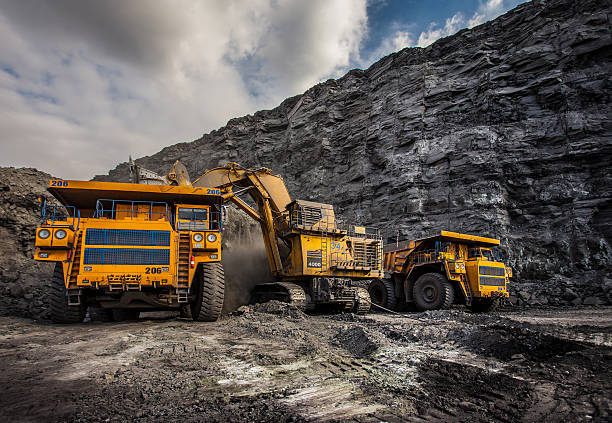
Mining is extracting valuable minerals or other geological materials from the Earth. These materials include metals like gold, silver, and copper, as well as non-metals like coal, limestone, and diamonds. Depending on the location and depth of the resource, mining can be conducted on the surface (open-pit mining) or underground.
The Importance of Mining
Economic Impact
Mining contributes significantly to global and national economies. It generates employment, boosts local economies, and supplies essential raw materials for construction, manufacturing, and technology industries. For instance, minerals like iron and copper are integral to infrastructure projects, while lithium and cobalt are critical for electric vehicle batteries.
Technological Advancements
The mining industry drives technological progress by providing rare and essential materials. Rare earth elements such as neodymium, used in magnets, and gallium, essential for semiconductors, are pivotal in advancing renewable energy solutions, communication systems, and consumer electronics.
Energy Production
Fossil fuels like coal and uranium, extracted through mining, remain vital for energy production. Although there is a global shift toward renewable energy, these materials still account for a significant portion of energy generation worldwide.
Types of Mining
1. Surface Mining
Surface mining involves removing soil and rock layers to access minerals near the Earth’s surface. Common methods include:
- Open-Pit Mining: Used for extracting large quantities of minerals like copper and gold.
- Strip Mining: Typically used for coal and phosphate extraction.
- Quarrying: Focused on extracting building materials like granite, limestone, and sand.
2. Underground Mining
This method involves creating tunnels or shafts to access deeply buried mineral deposits. Techniques include:
- Room-and-Pillar Mining: Rooms are mined out while leaving pillars for support.
- Longwall Mining: Automated machinery shears materials from the face of a long wall.
- Block Caving: A low-cost, high-production technique for massive ore bodies.
3. Placer Mining
This method involves extracting valuable minerals from sediments in riverbeds or beaches, often using panning or dredging techniques. Gold and diamonds are commonly extracted through this method.
4. In-Situ Mining
Also known as solution mining, this method involves dissolving minerals in the ground and pumping them to the surface. It is commonly used for uranium and potash.
Challenges in Mining
1. Environmental Concerns
Mining activities can lead to deforestation, soil erosion, water pollution, and habitat destruction. Improperly managed tailings and toxic chemicals can contaminate local water supplies, harming both ecosystems and human communities.
2. Safety Risks
Mining is one of the most hazardous professions globally. Workers face risks from rockfalls, explosions, toxic gas exposure, and equipment accidents. Despite advancements in safety technology, accidents still occur, especially in poorly regulated mines.
3. Resource Depletion
As easily accessible mineral deposits are depleted, mining companies are forced to explore deeper and more remote areas, increasing costs and environmental impact.
4. Social Challenges
Mining operations can disrupt local communities, leading to displacement, conflicts over land rights, and strained relationships with indigenous populations.
Modern Mining Innovations
The mining industry is embracing technological advancements to address these challenges and improve efficiency.
1. Automation and Robotics
Automated machinery, drones, and robotics are transforming mining operations. Autonomous trucks and drills reduce human risk, while drones are used for surveying and monitoring.
2. Artificial Intelligence (AI) and Data Analytics
AI systems analyze vast amounts of data to optimize exploration, extraction, and processing. Predictive maintenance systems use AI to identify potential equipment failures before they occur.
3. Sustainable Mining Technologies
Technologies like water recycling systems, renewable energy integration, and eco-friendly chemicals are reducing the environmental footprint of mining. Companies are also exploring carbon capture techniques to offset emissions.
4. 3D Printing and Additive Manufacturing
These technologies are being used to create custom mining equipment and spare parts, reducing downtime and transportation costs.
The Role of Sustainability in Mining
Modern mining companies are under increasing pressure to adopt sustainable practices. Here’s how the industry is addressing its environmental and social responsibilities:
1. Land Rehabilitation
After mining operations are complete, companies restore the land by replanting vegetation, refilling pits, and creating new ecosystems to support wildlife.
2. Renewable Energy Adoption
Mining operations are incorporating solar, wind, and hydroelectric power to reduce reliance on fossil fuels. This transition not only reduces greenhouse gas emissions but also lowers operational costs in the long term.
3. Community Engagement
Sustainable mining practices involve working closely with local communities to create jobs, support education, and improve infrastructure. Companies are also respecting indigenous land rights and preserving cultural heritage sites.
Mining and Global Markets
The demand for minerals is driven by industries like construction, automotive, and technology. As countries transition to green energy, the demand for materials like lithium, cobalt, and nickel is expected to skyrocket. Simultaneously, geopolitical tensions and supply chain disruptions pose challenges to securing critical resources.
The Future of Mining
1. Green Mining
The future of mining lies in reducing its environmental footprint. Technologies like electric-powered machinery, carbon-neutral processes, and waste recycling will define the industry in the coming decades.
2. Deep-Sea Mining
The ocean floor holds vast deposits of minerals like manganese and cobalt. While deep-sea mining presents an opportunity to meet rising demand, it also raises concerns about its impact on marine ecosystems.
3. Space Mining
Though still in its infancy, space mining holds immense potential. Asteroids contain abundant resources, and companies like Planetary Resources are already exploring this frontier.
4. Circular Economy Integration
Mining companies are increasingly exploring ways to integrate a circular economy, where materials are reused and recycled to reduce waste and dependence on raw mineral extraction.
Conclusion
Mining remains a cornerstone of human progress, providing the raw materials essential for infrastructure, technology, and energy. However, as the world becomes more conscious of environmental and social issues, the industry must adapt to ensure sustainable practices. With advancements in technology and a commitment to responsibility, mining can continue to thrive while protecting the planet for future generations.